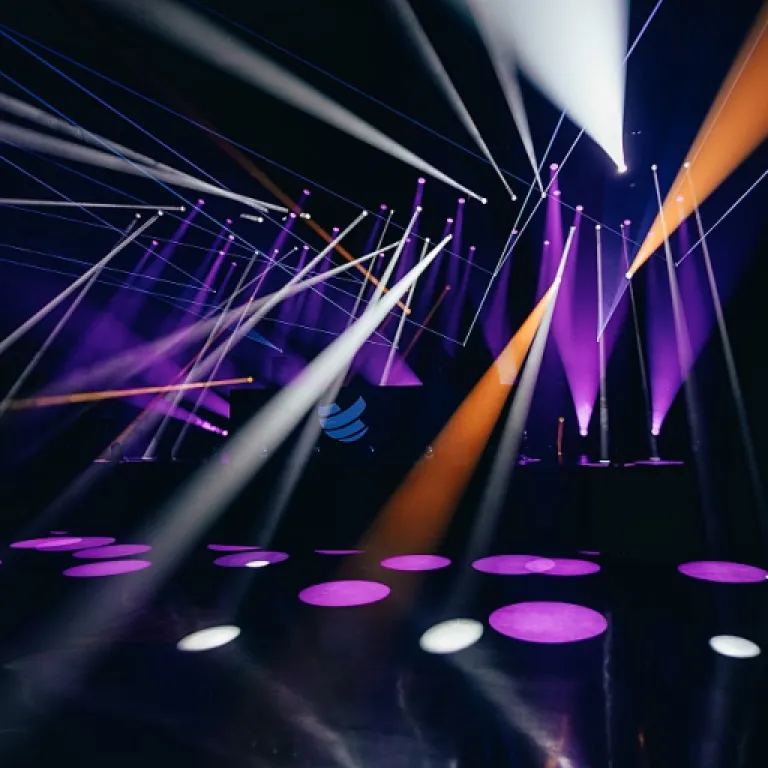
Industry expo in Mumbai as a strategic B2B growth engine
The industry expo in Mumbai has evolved into a strategic hub for B2B decision makers across India. Over several days at each major exhibition, senior leaders use this platform to benchmark technologies, negotiate trade partnerships, and map future investments in automation and industrial solutions. For companies operating in Mumbai India and beyond, the density of events at the Bombay exhibition centre and the Jio convention centre Mumbai creates a rare concentration of opportunities.
Professionals attending an industry expo in Mumbai now expect more than a traditional trade fair with static booths. They look for curated content on digital and AI led transformation, practical demonstrations of material handling systems, and case driven sessions on packaging, warehousing, and industrial automation. This shift is visible at Automation Expo, ChemTECH World Expo, and the Intralogistics & Warehousing Expo, where India trade stakeholders align procurement roadmaps with international standards.
The concentration of events in Goregaon Mumbai and at the Jio convention complex has turned Mumbai trade calendars into operational planning tools. Over four days at Automation Expo, for example, plant heads and engineers evaluate automation solutions that directly influence capital expenditure cycles for the next year. Similar patterns appear at Tube India, Pharmalabchem Expo, and MEDICALL EXPO, where India international exhibitors and local suppliers negotiate multi year supply contracts.
For visiting teams, the proximity between each convention centre, business hotel, and exhibition centre simplifies logistics. Many industrial delegations structure their visitor registration and register visit processes to cover several expos in Mumbai India within the same week. As a result, the city functions as an integrated trade centre where industrial clusters, service providers, and technology firms meet repeatedly across the calendar.
Key Mumbai venues and how they shape industrial trade flows
The geography of the industry expo in Mumbai is now a decisive factor in B2B strategy. The Bombay exhibition centre in Goregaon Mumbai hosts ChemTECH World Expo, Automation Expo, Tube India, and several other industrial exhibition series that attract India international delegations. Each event runs for two to four days, giving procurement and engineering teams enough time to compare industrial solutions in depth.
At the same time, the Jio convention complex, including the Jio convention centre and adjacent hotel infrastructure, has become a preferred venue for design, architecture, and food industry expos. Events such as SIAL India and iDAC Expo use this convention centre to connect global brands with India Mumbai distributors, retailers, and project consultants. For B2B professionals, this clustering of events reduces travel time between meetings and maximizes the ROI of each register visit.
World Trade Center and other trade centre locations in Mumbai India complement these hubs with more focused trade fair formats. SAFEX, for instance, uses a shorter format of two days to concentrate sports and fitness industry stakeholders, while still benefiting from Mumbai trade connectivity. When combined with the larger industrial exhibition centre venues, these sites create a layered ecosystem for India trade and sector specific networking.
For companies active in packaging, material handling, and automation, the choice between Bombay exhibition facilities and the Jio convention complex depends on target audiences and product positioning. Firms seeking retail and consumer facing partners often align their calendars with retail trade fairs and related events, which are analysed in depth in this guide on retail trade fairs unlocking opportunities for brands, retailers, and manufacturers. In contrast, heavy industry suppliers usually prioritise the Bombay exhibition and other industrial venues where technical buyers dominate visitor registration lists.
Sector deep dive: automation, intralogistics, and industrial solutions
Among all formats, Automation Expo at the Bombay exhibition centre stands out as a reference point for industrial automation in India. Over four days, the event brings together robotics vendors, control system integrators, and plant managers who evaluate automation solutions for sectors ranging from chemicals to food processing. This automation expo has become a benchmark for India comprehensive coverage of sensors, PLCs, SCADA platforms, and industrial software.
Intralogistics & Warehousing Expo, also hosted in Mumbai India, complements Automation Expo by focusing on material handling, storage systems, and warehouse automation. Exhibitors present conveyors, automated storage and retrieval systems, and packaging lines that integrate with broader industrial solutions. For logistics directors and supply chain heads, these exhibitions provide a practical platform to compare competing offers and negotiate multi site deployments over the next year.
Tube India and Pharmalabchem Expo add further depth to the industrial landscape at the Bombay exhibition centre. Tube India targets the tube and pipe industry, while Pharmalabchem Expo addresses pharmaceutical equipment and laboratory technologies, both attracting India international participants. Across these events, visitor registration data shows growing interest in integrated automation, energy efficient systems, and advanced material handling solutions that reduce operating costs.
For B2B strategists, aligning attendance at an industry expo in Mumbai with digital commerce initiatives is increasingly important. Many exhibitors now connect their physical trade fair presence with e commerce events and online campaigns, a trend analysed in this overview of e commerce events shaping digital commerce through innovation and networking. By synchronising on site demonstrations at the exhibition centre with digital lead nurturing, companies create a continuous pipeline from trade centre meetings to long term contracts.
Cross sector opportunities: from food and healthcare to design and sports
The industry expo in Mumbai is not limited to heavy industry and automation, as several high impact events address consumer linked sectors. SIAL India at the Jio convention centre focuses on food and beverage innovation, connecting India Mumbai importers, distributors, and retailers with international brands. Over three days, participants examine packaging formats, cold chain solutions, and material handling practices that comply with India international standards.
iDAC Expo, also at the Jio convention complex, targets architecture, interior design, and construction professionals who seek sustainable and smart building solutions. Exhibitors present automation systems for buildings, advanced lighting, and integrated design tools that align with the broader industrial solutions showcased at other Mumbai trade events. WOFX Mumbai, hosted at the Bombay exhibition centre, extends this ecosystem to furniture and design, where hotel chains, real estate developers, and retailers evaluate new collections.
Healthcare and sports are represented by MEDICALL EXPO and SAFEX, which use the Bombay exhibition and World Trade Center venues respectively. MEDICALL EXPO focuses on medical devices and hospital infrastructure, while SAFEX concentrates on sports and fitness equipment, both attracting India trade professionals from multiple regions. These exhibitions demonstrate how Mumbai India functions as a multi sector trade centre where industrial, consumer, and service industries intersect.
Lighting and technology trends also appear through specialised segments such as light LED and led expo style showcases integrated into broader events. For example, exhibitors targeting hotel and retail projects often present light LED solutions alongside automation and control systems at design focused expos. Across these platforms, visitor registration processes are increasingly data driven, enabling organisers to offer India comprehensive analytics on attendee profiles and engagement.
Maximising B2B outcomes: planning, registration, and on site strategy
For professionals planning to attend an industry expo in Mumbai, preparation now determines most B2B outcomes. Teams should start by mapping the calendar of events at the Bombay exhibition centre, Jio convention facilities, and other trade centre venues across the year. This allows companies to cluster meetings, optimise hotel bookings near each convention centre, and allocate technical experts to the most relevant exhibitions.
Visitor registration and register visit processes have become more sophisticated across Mumbai India events. Many organisers offer online registration with segmented options for industrial buyers, distributors, and consultants, enabling targeted communication before and after the trade fair. By using these tools, exhibitors can pre schedule meetings with India trade partners, international delegations, and key accounts from sectors such as packaging, automation, and material handling.
On site, B2B teams should treat each exhibition centre as a live market intelligence lab. Structured agendas that combine stand visits, technical sessions, and networking events at the convention centre or adjacent hotel spaces help maximise learning. Companies focused on automation solutions, for example, can allocate specific days to Automation Expo, then extend their stay to visit Tube India or Pharmalabchem Expo for complementary industrial insights.
For organisations seeking to scale their presence beyond Mumbai trade events, regional strategies matter. Some Indian firms use Mumbai expos as a launchpad before expanding to other India international platforms, including sector specific events in cities such as Hyderabad or Delhi. A practical illustration of this regional approach can be seen in this guide on securing a Poultry India free expo pass for high impact B2B networking, which shows how coordinated visitor registration and travel planning can amplify results.
Future outlook: Mumbai’s role in India’s industrial and trade ecosystem
The growing density of the industry expo in Mumbai calendar signals a structural shift in India’s industrial and trade ecosystem. With multiple events running for two to four days at the Bombay exhibition centre, Jio convention complex, and other venues, the city is consolidating its role as a central trade centre. This concentration attracts India international exhibitors and visitors who see Mumbai India as a gateway to the wider South Asian market.
Digital and AI led transformation will continue to shape Automation Expo, Intralogistics & Warehousing Expo, and other industrial exhibitions. Organisers are investing in smarter visitor registration platforms, data enriched matchmaking, and hybrid content formats that extend the impact of each trade fair beyond the physical exhibition centre. For exhibitors, this means that a single register visit strategy can generate leads and partnerships over an extended period.
Sustainability and design innovation will also influence future events at the Bombay exhibition and Jio convention venues. iDAC Expo and WOFX Mumbai already highlight eco friendly materials, efficient light LED systems, and integrated automation for buildings, while SIAL India promotes responsible packaging and material handling in the food industry. MEDICALL EXPO and SAFEX are expected to deepen their focus on health, safety, and performance, reflecting broader societal priorities in India Mumbai and other urban centres.
For B2B professionals, the implication is clear. Treating each industry expo in Mumbai as part of a multi year engagement strategy, rather than a one off event, will be essential to capture the full value of India trade opportunities. By aligning internal planning cycles, travel budgets, and product roadmaps with the evolving exhibition calendar, companies can position themselves at the heart of India comprehensive industrial transformation.
Key quantitative insights on Mumbai industry expos
- ChemTECH World Expo typically runs for 4 days at the Bombay exhibition centre, providing extended time for process industry collaborations.
- Automation Expo usually spans 4 days, making it one of the longest industrial automation gatherings in Mumbai India.
- Events such as SIAL India, iDAC Expo, Intralogistics & Warehousing Expo, WOFX Mumbai, Pharmalabchem Expo, Tube India, and MEDICALL EXPO generally operate on 3 day formats.
- SAFEX often follows a concentrated 2 day schedule, reflecting its focused sports and fitness positioning within the wider Mumbai trade ecosystem.
Frequently asked questions about industry expos in Mumbai
How should B2B companies prioritise which industry expo in Mumbai to attend ?
Companies should align event selection with their sales pipeline, target sectors, and product maturity. Industrial suppliers may prioritise Automation Expo, ChemTECH World Expo, or Tube India, while consumer linked brands might focus on SIAL India, WOFX Mumbai, or SAFEX. Evaluating expected visitor profiles, venue location, and the number of days for each event helps optimise budgets and team deployment.
What role do Mumbai venues play in attracting international exhibitors ?
Venues such as the Bombay exhibition centre and Jio convention centre offer large, modern spaces with strong connectivity to airports, ports, and hotel clusters. This infrastructure, combined with Mumbai India’s status as a financial and trade hub, makes it easier for India international exhibitors to justify participation. As a result, many global brands treat Mumbai trade events as their primary entry point into the Indian market.
How can visitors maximise value from a short two or three day expo ?
Visitors should complete online visitor registration early, pre schedule meetings, and map stands by priority before arriving at the exhibition centre. During the event, focusing on high impact sessions, live demonstrations, and targeted networking at the convention centre or hotel lounges helps compress learning. A structured debrief immediately after the trade fair ensures that insights translate into concrete follow up actions.
Are Mumbai industry expos relevant for smaller or mid sized companies ?
Yes, many expos in Mumbai India actively court small and mid sized enterprises through dedicated pavilions, subsidised stands, and curated matchmaking. These companies often gain access to industrial solutions, packaging innovations, and automation technologies that would be difficult to evaluate elsewhere. Participation can also open doors to India trade partnerships, distribution agreements, and collaborative product development.
What trends are shaping the future of industry expos in Mumbai ?
Key trends include digital and AI led transformation of visitor registration systems, increased focus on sustainability, and the integration of light LED technologies and smart design into industrial solutions. Hybrid formats that blend physical exhibitions with virtual content are likely to expand, extending the life of each trade fair. Together, these shifts will reinforce Mumbai’s role as a central platform for India comprehensive industrial and commercial innovation.
