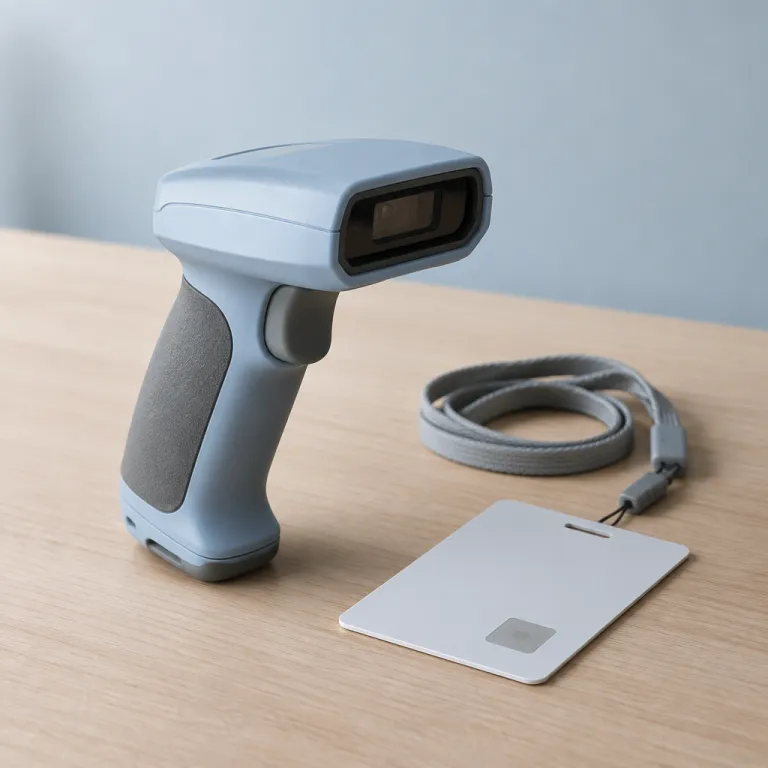
From badge buckets to real-time CRM sync on the show floor
At most Indian trade show halls, you still see the same ritual at every booth. Badge after badge gets a quick scan, a business card drops into a fishbowl, and someone promises that the sales team will follow up after the event. By the time those leads reach your CRM, the memory of the conversation is already fading and your competitor’s WhatsApp message has probably landed first.
The shift to a real-time CRM sync trade show B2B workflow breaks this pattern by treating every badge scanning moment as a live sales interaction, not a future admin task. A modern lead capture stack in India now looks like this on the floor of Pragati Maidan or Bombay Exhibition Center: badge scan through an event app, structured qualification questions, instant CRM integration, and an automated nurture trigger that hits the prospect’s inbox or WhatsApp before they leave the aisle. When exhibitors implement this real-time loop, the trade show stops being a disconnected event and becomes an extension of your inside sales engine.
STALLPRO’s deployments across Indian expos illustrate how dramatic the impact can be when you stop treating lead retrieval as a post-show chore and start treating it as live pipeline creation. In one 2023 manufacturing expo case study from a mid-sized industrial automation vendor, an exhibitor that moved from manual spreadsheets to real-time CRM sync saw lead-to-opportunity conversion rise from roughly 4 percent to just under 20 percent and repeat engagement rise by more than 40 percent over the previous edition of the same show, based on anonymised internal reporting shared with the organiser. While results will vary by sector and sales maturity, when hundreds of exhibitors across India are already running real-time lead capture, staying with offline capture and manual business card sorting is not conservative; it is negligent.
The on-floor workflow: scan, qualify, sync, nurture in minutes
A high-performing Indian booth now runs like a disciplined inside sales pod, not a casual marketing stall. The booth staff use a unified event platform or CRM mobile app to scan every badge, tag the lead with segment, buying role, and urgency, then push the data straight into Salesforce or HubSpot with clean CRM integration. Each scan is not just a show lead; it is a structured record with lead scoring fields that your sales teams can act on the same day.
The workflow that wins looks deceptively simple: badge scanning or business card scan at the booth, two or three mandatory qualification questions on budget, timeline, and use case, then instant CRM sync into your core system with an automated WhatsApp or email follow-up. Tools like Hubilo, Dreamcast, Zoho CRM apps, and independent automation providers such as STALLPRO’s WhatsApp workflows make this real-time loop viable even on congested 4G networks in Indian venues. When your event teams configure custom pricing tiers, product interests, and region tags inside the app, they turn chaotic events into structured business data that your sales teams can filter by sector, ticket size, or decision authority.
This is where finance leaders start paying attention, because the same workflow that improves lead capture also clarifies event management economics. When every trade show interaction is timestamped and synced, you can attribute pipeline and revenue back to specific events, booths, and campaigns with far more precision than a generic “brand visibility” line item. If you need to defend your event budget in the next fiscal review, you will want this level of attribution long before you walk into a meeting about marketing ROI and event pricing with your CFO, and resources like a CMO event budget defense guide can help you frame those numbers persuasively.
Why the 48-hour follow-up rule fails in Indian B2B cycles
Indian B2B sales cycles are long, but attention spans at events are brutally short. For mid-market deals you are looking at three to six months from first meeting to signature, while enterprise cycles stretch from six to eighteen months with multiple stakeholders. Every day you wait to follow up after a trade show adds friction to that already long journey and gives your rivals room to frame the problem first.
The old advice to follow up within 48 hours assumed that leads were not being hit by WhatsApp automation, email cadences, and LinkedIn outreach from three other vendors who also scanned their badge. At events like Automation Expo in Mumbai, IMTEX in Bengaluru, or India Mobile Congress in Delhi, a serious buyer can walk away with twenty business cards and a dozen show lead emails in a single afternoon. If your first contact lands on Monday while a competitor’s real-time CRM sync trade show B2B workflow triggered a personalised message during the event, you are already negotiating from behind.
There is also the forgetting curve that hits hard in crowded events; by the second day post-show, many visitors barely remember which booth staff promised what, especially when every booth claims “end to end solutions” and “AI powered platforms”. When your follow-up references the exact demo, pain point, and pricing range discussed at the booth because that data was captured in real time, your email feels like a continuation of the conversation, not a cold restart. For a deeper operational playbook on how Indian exhibitors are turning this into measurable pipeline, a detailed guide on B2B lead generation at trade shows shows how structured lead retrieval and immediate nurture can lift conversion without increasing booth size or sponsorship spend.
Tech stack choices: Indian options for real-time sync and AI matchmaking
The good news for Indian founders is that you do not need a global martech budget to run a real-time CRM sync trade show B2B stack. At the entry level, most mainstream CRMs used in India, including Zoho, Salesforce, and HubSpot, offer mobile apps that handle basic lead capture, badge scanning through QR codes, and offline capture when the venue Wi-Fi fails. These apps can push leads into your core CRM with minimal setup, which is enough to kill the spreadsheet era for many SMB exhibitors.
For more complex events, Indian event platform providers such as Hubilo and Dreamcast layer AI matchmaking, in-app meeting scheduling, and real-time analytics on top of standard lead retrieval. Their tools allow event teams to see which sessions, booths, and content pieces are generating the most engaged leads, then adjust booth staff allocation and messaging on the fly. When Clarion Events reported using AI matchmaking to drive a double-digit percentage increase in in-person meetings at one of its shows, in an internal post-event analysis shared with sponsors, it demonstrated how quickly a well-configured event platform can turn anonymous events into targeted business interactions.
Specialised tools such as STALLPRO focus on WhatsApp automation and tight CRM integration with systems like Salesforce and HubSpot, which matters in India where WhatsApp is often the first serious business channel after a trade show. These platforms support both physical and virtual event formats, ensuring that leads from webinars, hybrid events, and on-ground expos all land in the same CRM with consistent fields for lead scoring and follow-up. When you combine this with custom pricing fields, product interest tags, and clear ownership rules for event teams, you get a stack that supports both Tier 1 mega expos and focused Tier 2 city events without fragmenting your data.
Implementation playbook: piloting real-time sync at your next Indian expo
The smartest Indian exhibitors are not trying to rebuild their entire event management stack in one quarter. They pick a single high-stakes trade show, such as Automation Expo in Mumbai or a focused sector event in Pune, and run a controlled pilot of real-time CRM sync with one or two product lines. The goal is not to impress the organiser; it is to prove that a tighter workflow from badge scan to follow-up produces more qualified pipeline per square metre of booth space.
Start by defining what a good lead looks like for this specific event, including sector, role, budget band, and timeline, then configure your event app or CRM form to force booth staff to capture those data points at the point of interaction. Train the teams to treat every scan or business card as a mini discovery call, not a quick photo opportunity, and rehearse the qualification questions until they feel natural in both English and regional languages. A practical 2024 playbook many Indian exhibitors follow is: ask “What problem are you hoping to solve this quarter?”, “What budget range have you set aside for this project?”, and “When are you planning to make a decision?”; then commit to a service-level agreement where hot leads receive a personalised WhatsApp within 15 minutes, warm leads get a tailored email within two hours, and all other contacts enter a next-day nurture sequence with a simple three-step follow-up template of thank you, recap, and clear next action.
During the event, assign one person on the event teams to monitor the CRM dashboard, clean obvious data errors, and flag high-scoring leads for same-day outreach by inside sales. After the show, run a hard comparison between this pilot and your previous events; look at meeting-to-proposal conversion, proposal-to-deal conversion, and actual revenue per event, not just raw leads or booth traffic. If the numbers justify it, scale the workflow to more events and more teams, and use detailed playbooks on floor strategy at large Indian expos to refine how you deploy your limited booth staff across peak hours and key visitor segments. As a quick checklist, ensure you consistently capture name, company, role, sector, budget band, decision timeline, primary use case, and region, and that your team honours the hot, warm, and nurture SLAs agreed before the show.
FAQ
How does real-time CRM sync change lead follow up after Indian trade shows ?
Real-time CRM sync ensures that every badge scan or business card captured at an Indian trade show becomes a structured CRM record within minutes, not days. This allows sales teams to follow up while the conversation is still fresh, often during the event itself, which significantly improves meeting to proposal conversion. It also reduces manual errors and data loss that typically occur when leads are processed in bulk after the event.
What tools are commonly used in India for real-time lead capture and CRM integration ?
Indian exhibitors frequently use CRM mobile apps from Zoho, Salesforce, and HubSpot for basic lead capture and badge scanning on the show floor. For richer event management features, platforms like Hubilo, Dreamcast, and STALLPRO provide AI matchmaking, WhatsApp automation, and deeper CRM integration. These tools support both physical expos and virtual event formats, ensuring consistent data across all events.
Is real-time CRM sync only relevant for large exhibitors at major expos ?
Real-time CRM sync is valuable for both large enterprises and smaller B2B SMBs exhibiting at Indian events. Smaller teams often benefit even more, because they cannot afford to waste leads from a single trade show when marketing budgets are tight. A simple workflow using a CRM app and structured qualification fields can dramatically improve ROI even for a modest booth at a regional event.
How should booth staff be trained for effective real-time lead capture ?
Booth staff should be trained to treat every interaction as a short discovery call, capturing key data such as role, budget, and buying timeline directly into the event app or CRM form. They need clear scripts for qualification questions, practice with the badge scanning or business card scan tools, and an understanding of how their inputs drive lead scoring and follow up. Regular role plays before the event help ensure that the workflow feels natural and fast on a crowded show floor.
What metrics should Indian B2B founders track to measure the impact of real-time CRM sync ?
Founders should track metrics beyond raw leads, focusing on meeting to proposal conversion, proposal to deal conversion, and revenue attributed to each event. Comparing these KPIs between events with and without real-time CRM sync will show whether the new workflow is improving pipeline quality. Over time, you can also monitor repeat engagement rates and the proportion of high-scoring leads generated per event to refine your event strategy.